The Art of Inclusive Programming: Balancing for the Group, Not Just a Few

As Pilates instructors, we pour our hearts into crafting classes that challenge, inspire, and energize. Yet, one of the most difficult aspects of programming is the fine art of inclusivity—ensuring the entire group can thrive while letting go of exercises that might only serve a select few.

Let’s face it: every class has its superstars, the ones who light up when you introduce advanced moves like Teasers or Snake on the Reformer. And as much as we want to celebrate their abilities, we’re often tasked with balancing their enthusiasm against the broader needs of the group. It can feel bittersweet to cut out a beloved sequence, knowing it might bring joy to a couple of regulars but leave others feeling excluded or overwhelmed.

The Importance of Inclusive Programming

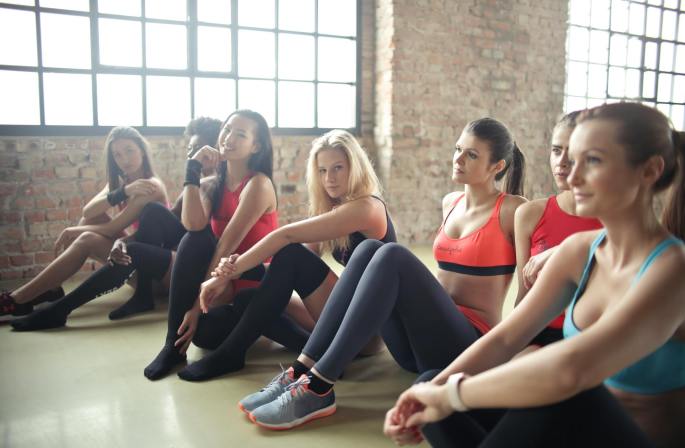
Programming with the group in mind ensures that everyone feels successful and empowered. This doesn’t mean watering down your classes, but instead meeting students where they are while offering room to grow. A good class isn’t about showing off the most intricate choreography; it’s about creating an environment where everyone feels challenged at their own level.

When we program for the group, we foster connection and inclusivity. It encourages participants to feel part of a shared experience, where progress is achievable for everyone. It also reduces the risk of injury and burnout among clients who might push themselves too hard trying to “keep up.”

When It’s Hard to Let Go

It’s tough to remove a section you know a few clients love. Maybe you’ve got one or two attendees who adore backbends, but you know they’re beyond the comfort zone of others in the group. Instead of holding onto those moments for just a couple of clients, use this as an opportunity to practice creative programming and offer modifications.

Modifications: Serving All Levels

Rather than eliminating a challenging section altogether, you can design options to ensure accessibility:

  1. Teaser Variations:
    • Advanced: Full Teaser with legs extended.
    • Moderate: Keep the knees bent, use use a TheraBand or small rubber ball for assistance.
    • Beginner: Practice Teaser prep, lifting just the upper body while legs remain bent and feet on the mat. Rollups are a great warm-up for this core scortcher.
  2. Plank Series:
    • Advanced: Single-leg plank or forearm to straight-arm transitions.
    • Moderate: Standard plank on hands or forearms.
    • Beginner: Knees-down plank with focus on proper alignment.
  3. Back Extensions:
    • Advanced: Swan Dive with rhythmic movements.
    • Moderate: Swan Prep, lifting the chest only.
    • Beginner: Lying prone with small upper-back lifts.
  4. Reformer Progressions:
    • Advanced: Snake or Twist variations.
    • Moderate: Side Plank with the Reformer carriage stable.
    • Beginner: Side Plank on the mat with forearm elevated on the box.

Communicating the Why

When introducing modifications, take a moment to explain the purpose behind each level. Help your clients understand that Pilates isn’t about competing—it’s about alignment, strength, and control. By framing options as ways to challenge their bodies safely and effectively, you empower them to honor their limits while striving for progress.

Celebrate Diversity in Movement

As instructors, we’re guides on a journey that looks different for every client. By programming for the group as a whole, we honor the diversity of movement, skill levels, and body types in our classes. It might feel challenging to let go of certain exercises, but the reward is far greater: a room full of engaged, inspired clients who leave class feeling successful and supported.

After all, Pilates isn’t just about perfecting the Teaser—it’s about helping every body feel stronger, more aligned, and more capable.

How do you navigate programming challenges in your classes? Share your strategies in the comments below!

4o
Pushups: The Ultimate Test of Strength AND Control

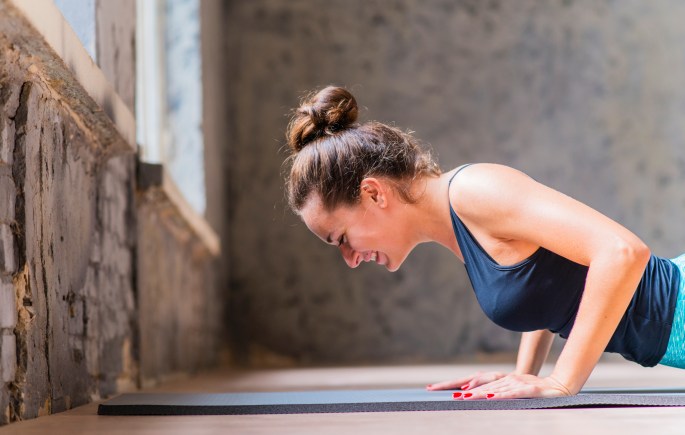
Pushups—simple in concept, but deceptively challenging. Whether you’re a seasoned Pilates enthusiast or a fitness newbie, mastering the art of a perfect pushup is a true testament to strength, control, and mindful movement.

At first glance, pushups may seem straightforward. Drop to the floor, lower your chest, and push back up—easy, right? Not quite. Achieving proper pushup form requires more than brute strength; it demands full-body integration, alignment, and precision. Let’s dive into why pushups are much harder (and more rewarding) than they appear!

🔹 Core Engagement: The Unsung Hero of Pushups

A proper pushup starts from the center—your core. Keeping your spine neutral and your hips stable is essential to prevent sagging or sticking up. This means your abs, obliques, and even your pelvic floor are working overtime to maintain balance and alignment. Think of your body as a sturdy plank: every link in the chain must stay strong and connected.

🔹 Shoulder Stability: Protect and Strengthen

Your shoulders are key players in pushups, but without proper scapular control, they’re also vulnerable to strain. Maintaining shoulder stability ensures the movement is safe and effective, building strength while protecting your joints. This is where mindful movement and Pilates principles shine—focus on your shoulder blades gliding smoothly as you move.

🔹 Breath Control: Fuel for the Fire

Breathing might seem like the simplest part of any exercise, but it can make or break your pushup game. Timing your breath with your movement—not holding it—is crucial for sustaining energy and improving flow. Exhale as you push up, inhale as you lower down. Mastering this coordination takes practice but yields incredible results.

🔹 Full-Body Integration: More Than Just Arms

Think pushups are just for building biceps? Think again. A proper pushup engages muscles from your fingertips to your toes. Your chest, shoulders, triceps, core, glutes, and even quads are activated. It’s truly a full-body workout that builds strength, coordination, and endurance.


🔥 Pro Tips for Perfecting Your Pushups

Pushups aren’t about perfection on day one—they’re about progress over time. Here’s how to start strong:

  • Modify When Needed: Drop your knees to the floor or use an incline to lighten the load while maintaining proper form.
  • Practice Negatives: Focus on the lowering phase of the pushup. Go slow and controlled to build strength and stability.
  • Check Your Alignment: Use a mirror or a workout buddy to ensure your body stays straight and aligned.

Remember, patience and consistency are key. Every rep brings you closer to mastery.


What’s Your Pushup Challenge?
Whether it’s core engagement, breathwork, or shoulder stability, we all face unique hurdles in our fitness journeys. What’s your biggest pushup struggle? Share your experience in the comments, and let’s work together to conquer it!

#PilatesPushups #StrengthAndControl #MindfulMovement #CoreStrength #PerfectForm #FullBodyWorkout #PilatesJourney #PushupChallenge #AlignmentMatters

Ready to transform your pushup game? Let’s do this together! 💪✨

Wellness Through the Seasons: How to Adjust Your Fitness Year-Round

Our bodies are intricately connected to the rhythms of nature. Just as the seasons shift, so too do our energy levels, priorities, and physical needs. Embracing a seasonal approach to wellness allows us to honor these natural cycles, maintaining balance and vitality year-round. Here’s how you can tailor your fitness routine to align with each season’s unique energy and demands.

Winter: Deep Stretching and Mindfulness

Winter is a time for restoration and introspection. The shorter days and cooler temperatures naturally encourage us to slow down and turn inward. During this season, focusing on deep stretching and mindfulness can help maintain flexibility and reduce stress.

  • Yoga and Stretching: Incorporate practices like yin yoga or restorative yoga, which emphasize holding poses for longer periods to release tension and improve joint mobility.
  • Mindfulness and Meditation: Dedicate time to meditation, breathwork, or mindfulness exercises to cultivate a sense of calm and clarity during the often-hectic winter months.
  • Indoor Workouts: Engage in low-impact activities like Pilates or tai chi to keep the body moving without overexertion. These exercises also support core strength and balance, essential for avoiding winter slips and falls.

Spring: Energizing Exercises to Renew and Refresh

Spring is the season of renewal, growth, and new beginnings. As nature awakens, so does our energy, making it the perfect time to refresh your routine with invigorating exercises.

  • Cardio Workouts: Embrace brisk walks, jogs, or cycling to enjoy the blooming outdoors and boost your cardiovascular health.
  • Strength Training: Begin incorporating bodyweight exercises or light resistance training to rebuild strength after the slower winter months. Many small gyms offer small group training classes that can be an affordable way to learn your form while sculpting your body.
  • Outdoor Activities: Take advantage of warmer weather by trying activities like hiking, gardening, or even outdoor yoga to connect with nature while staying active.

Summer: Balancing Strength and Staying Hydrated

Summer’s vibrant energy invites us to embrace more dynamic and challenging workouts. However, it’s also important to balance this intensity with mindful hydration and recovery.

  • Morning Workouts: Beat the heat by scheduling your workouts early in the day when temperatures are cooler.
  • Strength Training: Focus on building muscle and endurance through resistance exercises, circuit training, or TRX suspension workouts (one of our favorites!)
  • Hydration and Recovery: Drink plenty of water and replenish electrolytes, especially if you’re sweating more. Incorporate stretching or foam rolling to aid muscle recovery.
  • Swimming and Water Activities: Cool off with water-based activities like swimming, paddleboarding, or aqua aerobics to stay active while keeping cool.

Fall: Gentle Transitions to Support the Body and Immune System

As the leaves change and the air turns crisp, fall signals a time of transition. This season invites us to gently prepare our bodies and minds for the slower pace of winter.

  • Gentle Cardio: Opt for moderate-intensity activities like walking, hiking, or cycling to maintain cardiovascular health while avoiding burnout.
  • Immune-Boosting Practices: Incorporate exercises that promote circulation, such as Pilates vinyasa yoga flows, which can support your immune system during seasonal changes.
  • Reflective Practices: Use this season to evaluate your wellness goals and set intentions for the coming year. Journaling or guided meditations can complement your physical routine.

Embracing Seasonal Wellness

By tuning into the unique energy of each season, you can create a fitness and wellness routine that feels both intuitive and sustainable. Remember, the key to year-round wellness lies in listening to your body and adapting your practices to meet its ever-changing needs. Whether you’re stretching by a cozy winter fire or jogging under the spring sun, these seasonal shifts ensure that your fitness journey remains fresh, balanced, and deeply connected to the rhythms of nature.