Harnessing ADHD as a Superpower in Your Fitness Business

Photo by Gustavo Fring on Pexels.com

Creativity and Innovation: Your Competitive Edge

ADHD is known for fueling creativity. Your brain is constantly brainstorming ideas, thinking outside the box, and making connections others might miss. Use this to your advantage by:

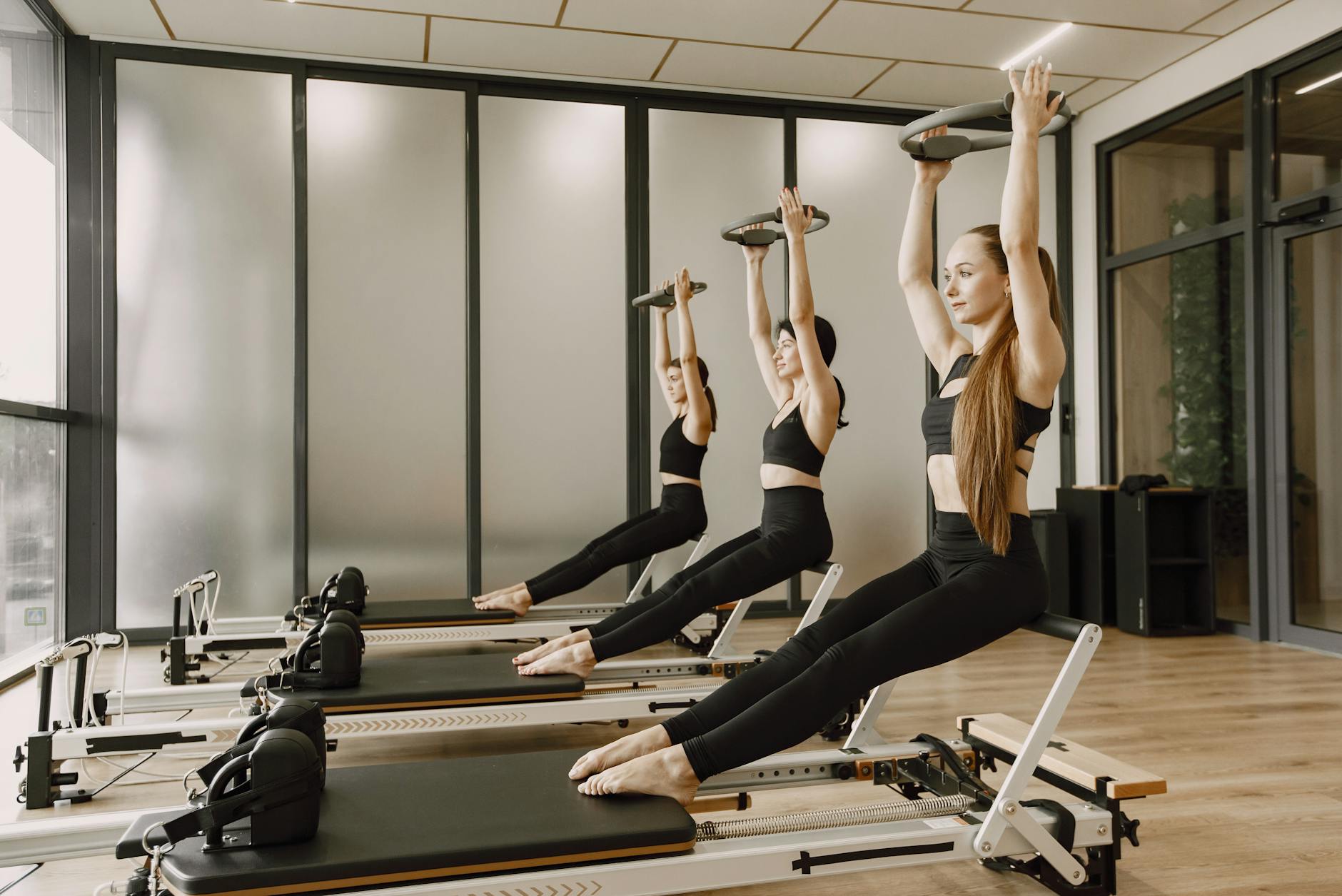
  • Designing Unique Classes and Programs: Constantly innovating keeps your studio/clasess exciting and fresh. Think beyond traditional offerings. Try combining Pilates with yoga, creating dynamic HIIT sessions, or even incorporating dance and mindfulness for a one-of-a-kind fitness experience. You could even host a Pilates + Meditation workshop or an interactive virtual fitness event for your clients!

Marketing Magic: Use your creative flow to generate fresh marketing ideas. Consider content that speaks to your unique audience, like a blog post on Healing Chronic Back Pain Through Pilates, or a fun, engaging Instagram campaign.

Hyperfocus: Channeling Intense Energy for Success

While it might seem counterintuitive, ADHD often gives individuals the ability to hyperfocus. When you’re locked in, you’re unstoppable. To harness this:

  • Work in Focused Sprints: Set specific time blocks during the day to focus on one task at a time—whether that’s creating class schedules, reviewing client progress, or improving your website. This can significantly increase productivity.
  • Prioritize Strategic Tasks: With hyperfocus, you can push through those larger projects that require deep attention. Build your business strategy, enhance customer experiences, or fine-tune your fitness studio’s operations in ways that drive long-term results.

Energy and Enthusiasm: Inspiring Your Team and Clients

Energy is one of ADHD’s standout traits, and in a fitness business, enthusiasm can make all the difference. Use your boundless energy to:

  • Motivate Your Team: Your excitement and passion for fitness can inspire your staff to bring their A-game. Share your vision, offer positive feedback, and show how much you care about their growth and success.
  • Engage Clients: Your natural enthusiasm can create an infectious atmosphere in your studio. Whether it’s leading a Pilates class or hosting a community event, your energy will keep clients coming back.

Problem-Solving and Adaptability: Quick Thinking in Action

ADHD often requires thinking on your feet and adapting quickly to new situations. This can be a huge asset in business, particularly in the fast-paced world of fitness.

  • Tackle Challenges Head-On: Instead of getting bogged down by problems, use your ability to pivot and find innovative solutions. If something’s not working—whether it’s a class format or a marketing campaign—trust your ability to brainstorm and test new approaches.
  • Stay Ahead of Trends: Your adaptability means you’re always looking at what’s new and what could work next. Whether it’s the latest fitness trends or technology that can improve client experience, you’re equipped to stay ahead of the curve. Check out this list of emerging fitness trends for 2025 to see what’s next.

Photo by cottonbro studio on Pexels.com

Building a Supportive Environment: The Power of Teamwork

ADHD often involves a need for structure and support. Build a team and environment that helps you channel your energy effectively. Create routines, set up check-ins, and use collaborative tools like Trello or Asana to keep everything organized while allowing room for spontaneity.

Self-Awareness and Growth: Lean Into Your Strengths

Understanding your unique strengths is key to thriving with ADHD in the business world. Embrace your abilities and acknowledge areas where you might need additional support. Surround yourself with a supportive community, whether it’s other fitness entrepreneurs, ADHD coaches, or a reliable team, so you can focus on what you do best.

How to Conduct a Self-Audit for Your Business: A Guide for Entrepreneurs & Fitness Professionals

Business Office” by Wilfred Iven/ CC0 1.0

As a business owner, fitness professional, or entrepreneur, you’re probably always focused on helping others—but when was the last time you took a moment to help yourself? A quick self-audit can be the game-changer you need to realign with your mission, regain control of your work-life balance, and build a sustainable strategy for long-term success. It’s time to put your business under the microscope and make sure it’s truly working for you.

Feeling Stuck? You’re Not Alone.

Let’s be real—running a business can feel overwhelming. Maybe you’ve been pouring your heart into your work, but the results aren’t matching your effort. You’re working long hours, saying yes to everything, and trying to keep up with industry trends, but instead of leveling up, you feel stuck.

It’s frustrating, isn’t it? You’re doing all the things—networking, marketing, showing up for clients—but deep down, something feels misaligned. Maybe you’re exhausted, questioning whether all this effort is worth it, or unsure what the next step should be.

Here’s the truth: growth doesn’t always mean doing or spending more. Sometimes, it means pausing long enough to assess what’s actually working. A self-audit is about taking a step back, gaining clarity, and making intentional shifts that move you forward.

So, let’s dive in.

Step One: Get Honest About What’s Working (and What’s Not)

One of the hardest things about running a business—whether it’s a fitness studio or online platform—is that we get attached. We pour our time, money, and passion into something, and even when a strategy isn’t serving us, we hesitate to let it go. But, holding onto something out of fear is not the same as holding onto something because it serves your purpose.

Ask yourself:

Your why is your North Star. It’s what keeps your business meaningful, sustainable, and deeply connected to the people you serve.

Ask yourself:

  • What areas of my business energize me?
  • Where am I seeing growth that aligns with my mission?
  • What feels heavy, forced, or misaligned?
  • Are there things I keep doing just because I should?

If the word “should” shows up a lot, pay attention. Shoulds often come from external expectations, not internal truth.

Step Two: Check Your Boundaries

As a business owner, your well-being is a business asset. If you’re stretched too thin, overcommitting, or losing joy in the work, that exhaustion will ripple into everything you create. Boundaries help us decide what (and who) gets access to our time and energy.

Consider:

  • Are my work hours sustainable, or am I always “on”?
  • Am I working with clients that align with my values, or am I saying yes to everyone out of fear?
  • Do I have space for rest, creativity, and personal growth?

Set Clear Boundaries with Clients and Employees: Define specific hours when you are available for work and communicate those boundaries clearly. By setting expectations upfront, you can ensure you have time to recharge without feeling obligated to respond to emails or take calls outside of those hours.

Schedule Personal Time Just Like Business Meetings: Block off time in your calendar for self-care, family, or hobbies—just as you would for client meetings or work tasks. Prioritizing your personal life in your schedule helps prevent burnout and reminds you that you are just as important as your business.

Delegate or Outsource Tasks: Recognize that you don’t have to do everything yourself. Whether it’s hiring a virtual assistant, working with a team, or automating certain business processes, delegating tasks can free up your time, allowing you to focus on the bigger picture while maintaining a balance.

Step Three: Revisit Your Why

Every business starts with a why—a reason that makes us take the risk, put in the work, and show up even when it’s hard. But as time passes, we can drift. We get caught in metrics, market trends, or comparison.

  • Does my business still reflect the mission I started with?
  • If I could start from scratch, what would I do differently?
  • What impact do I want to have, beyond revenue or recognition?

If you’re feeling disconnected from your purpose, this video, Transform Your Life: The Ultimate Self Audit Tool, walks through a powerful method to assess your current path and make meaningful adjustments. Taking time to step back and reflect isn’t a luxury—it’s a necessity for long-term success.

Step Four: Make Space for Imperfection

You might feel uneasy during a business audit but it’s the key to unlocking your full potential.. There might be things you don’t want to admit: marketing efforts that flopped, financial decisions that didn’t pan out, or parts of your work that no longer feel fulfilling. That’s okay. Growth thrives on courage, not perfection.

A study by Harvard Business Review suggests that one of the best ways to prevent burnout is to step back and evaluate whether your daily tasks align with what you actually enjoy doing. Doing what truly matters makes a greater impact than simply doing more.

So as you move through this process, ask yourself one last thing: What is one small change I can make today that will move me closer to alignment?

I’ve created a simple yet effective checklist that will help you navigate your business self-audit in just 10 minutes. With clear, actionable steps, this tool is designed to help you identify what’s working, pinpoint areas for improvement, and set achievable goals—all in a fraction of the time it would normally take. Download it here and take the first step toward simplifying your process and regaining control over your business growth..

Keep the Conversation Going

Growth isn’t linear, and neither is running a business. Taking the time to self-audit is a powerful way to stay aligned with your purpose, set boundaries that protect your energy, and make strategic shifts that allow for sustainable success.

Have you ever conducted a self-audit for your business? What did you discover? Share your thoughts in the comments!

Unlock Your Fitness Studio’s Potential: How to Overcome Growth Challenges and Gain Clients

Photo by cottonbro studio on Pexels.com

If your fitness/Pilates studio is struggling with unpredictable leads and low visibility, you’re not alone.  One month, you’re thriving; the next, you’re scrambling for clients. Sound familiar? It’s time to take action and break free from the feast-or-famine cycle.

Why Are You Stuck in This Pattern?

People Can’t Find You!

If you’re not showing up online, you might as well be invisible—harsh, but true! Relying only on word-of-mouth is like hoping people will magically find you without a sign on your door. The reality is, people Google, scroll, and check social media before making decisions. If they can’t see what you offer, why would they choose you? Regular posts, client wins, and behind-the-scenes moments keep you in their minds before they need you. So, show up, share your story, and make it easy for people to say, “This is exactly what I’ve been looking for!”

Getting your Google Business Profile optimized is a game-changer. Your website has to be a lead-generating machine—make it fast, mobile-friendly, and packed with irresistible offers that make people want to book with you instantly. The easier it is for potential clients to find you, the better. And trust me, SEO is a non-negotiable if you want to dominate local searches. Focus on those keywords that get you noticed, and make sure your client reviews shine. The more five-star feedback you’ve got, the more likely you are to catch someone’s eye. All of this is crucial for building credibility, attracting new clients, and staying ahead of the competition.

Your Marketing Lacks Power & Consistency

Showing up randomly on social media or only running promos when you’re desperate is like expecting to get fit by working out once a month—it just doesn’t work! The studios that thrive are the ones that show up consistently, build relationships, and keep their audience engaged. Think of it like nurturing a friendship—people need to see, trust, and connect with you over time. 

Aim for 3 to 5 posts a week at the very least. It’s all about sharing the real stuff that makes people stop and pay attention—like those jaw-dropping client results that show just how amazing your work is. Give a peek behind the scenes too—whether it’s the little wins, the process, or what’s going on in your day-to-day. And don’t underestimate the power of video! Use it to go live with Q&As, offer training tips, or just show up with that authentic, raw energy that makes people connect with you. Video is such a great way to engage because it allows people to really feel your vibe. Keep it real, keep it relatable, and keep showing up with fresh, valuable content.

You’re Not Following Up Like a PRO

If you’re running a fitness/ Pilates studio, an automated system can take a ton of work off your plate while keeping leads engaged. It all starts with capturing contact info—think landing pages, freebie downloads, or sign-up forms. From there, a CRM (like HubSpot or Salesforce) keeps track of interactions so nothing falls through the cracks. Then, you set up automated emails (Mailchimp, Kit) to nurture leads—maybe a welcome email, a free class offer, and a success story to build trust. Chatbots (like ManyChat) can handle quick questions, and if someone visits your site but doesn’t book, retargeting ads (Facebook Pixel, Google Ads) remind them what they’re missing. Automated booking (Calendly, Acuity) makes scheduling seamless, and analytics tools fine-tune everything over time. Imagine offering a free Pilates eBook, triggering a flow of emails, ads, and texts that turn leads into loyal clients—without you manually chasing anyone down. It’s like having a virtual assistant working 24/7!

You’re Blending In

Is your branding making a bold statement? If not, you’re missing out! To stand out, you need to highlight what makes your business unique and put it front and center. Whether it’s your vibe, values, or signature services, make sure your brand captures attention and invites customers to be part of your world.

Now, picture this: an email funnel that guides new leads through an unforgettable VIP experience. It starts with a captivating welcome message that immediately engages, followed by educational, valuable content that leaves them wanting more. Add sneak peeks, exclusive offers, insider tips, and client success stories to build trust and establish your business as the go-to destination.

Then, strategically place retargeting ads (Adroll, Criteo) that show up at the right moments, whether they’re scrolling through social media or browsing a website. This keeps your brand top-of-mind and reminds them of the value you offer. It’s like a friendly nudge saying, “Don’t miss out on what we have to offer!”

Let’s not forget about lead magnets. Offering a free session, an exclusive training, or an irresistible challenge gives potential clients a taste of the value you provide before they commit. It’s a sneak peek into the VIP experience they’ll be getting when they sign up.

By combining these strategies, you create an irresistible, seamless path that leads new leads straight to becoming loyal clients. Work smarter, not harder, and watch as your business attracts a steady stream of opportunities!

Time to Level Up & Win!

If you’re ready for consistent leads and unstoppable growth, it’s time to take action. Visibility doesn’t happen by accident—it happens by design. Commit to showing up, staying consistent, and delivering massive value to your clients. You have the power to transform your fitness business into a thriving, fully-booked empire.

Need Help Crafting a Marketing Plan?

Let’s connect and create a marketing strategy that skyrockets your business success!

The Art of Inclusive Programming: Balancing for the Group, Not Just a Few

As Pilates instructors, we pour our hearts into crafting classes that challenge, inspire, and energize. Yet, one of the most difficult aspects of programming is the fine art of inclusivity—ensuring the entire group can thrive while letting go of exercises that might only serve a select few.

Let’s face it: every class has its superstars, the ones who light up when you introduce advanced moves like Teasers or Snake on the Reformer. And as much as we want to celebrate their abilities, we’re often tasked with balancing their enthusiasm against the broader needs of the group. It can feel bittersweet to cut out a beloved sequence, knowing it might bring joy to a couple of regulars but leave others feeling excluded or overwhelmed.

The Importance of Inclusive Programming

Programming with the group in mind ensures that everyone feels successful and empowered. This doesn’t mean watering down your classes, but instead meeting students where they are while offering room to grow. A good class isn’t about showing off the most intricate choreography; it’s about creating an environment where everyone feels challenged at their own level.

When we program for the group, we foster connection and inclusivity. It encourages participants to feel part of a shared experience, where progress is achievable for everyone. It also reduces the risk of injury and burnout among clients who might push themselves too hard trying to “keep up.”

When It’s Hard to Let Go

It’s tough to remove a section you know a few clients love. Maybe you’ve got one or two attendees who adore backbends, but you know they’re beyond the comfort zone of others in the group. Instead of holding onto those moments for just a couple of clients, use this as an opportunity to practice creative programming and offer modifications.

Modifications: Serving All Levels

Rather than eliminating a challenging section altogether, you can design options to ensure accessibility:

  1. Teaser Variations:
    • Advanced: Full Teaser with legs extended.
    • Moderate: Keep the knees bent, use use a TheraBand or small rubber ball for assistance.
    • Beginner: Practice Teaser prep, lifting just the upper body while legs remain bent and feet on the mat. Rollups are a great warm-up for this core scortcher.
  2. Plank Series:
    • Advanced: Single-leg plank or forearm to straight-arm transitions.
    • Moderate: Standard plank on hands or forearms.
    • Beginner: Knees-down plank with focus on proper alignment.
  3. Back Extensions:
    • Advanced: Swan Dive with rhythmic movements.
    • Moderate: Swan Prep, lifting the chest only.
    • Beginner: Lying prone with small upper-back lifts.
  4. Reformer Progressions:
    • Advanced: Snake or Twist variations.
    • Moderate: Side Plank with the Reformer carriage stable.
    • Beginner: Side Plank on the mat with forearm elevated on the box.

Communicating the Why

When introducing modifications, take a moment to explain the purpose behind each level. Help your clients understand that Pilates isn’t about competing—it’s about alignment, strength, and control. By framing options as ways to challenge their bodies safely and effectively, you empower them to honor their limits while striving for progress.

Celebrate Diversity in Movement

As instructors, we’re guides on a journey that looks different for every client. By programming for the group as a whole, we honor the diversity of movement, skill levels, and body types in our classes. It might feel challenging to let go of certain exercises, but the reward is far greater: a room full of engaged, inspired clients who leave class feeling successful and supported.

After all, Pilates isn’t just about perfecting the Teaser—it’s about helping every body feel stronger, more aligned, and more capable.

How do you navigate programming challenges in your classes? Share your strategies in the comments below!

4o

The Ultimate Guide to Choosing the Perfect Yoga Mat for Your Practice

With so many options available, it can be a little overwhelming to decide which mat is truly your perfect match. But don’t worry—we’ve curated a list of the best yoga mats on the market to help you find your ideal companion for your practice.


One mat that has earned its place in the hearts of yogis around the world is the Liforme Yoga Mat. With its alignment markers and eco-friendly design, this mat is perfect for anyone who values precision and sustainability. Whether you’re flowing through Vinyasa or grounding yourself in Ashtanga, the Liforme mat’s unbeatable grip and thoughtful design will support you every step of the way.

For those seeking something that will stand the test of time, the Manduka PRO Yoga Mat is a wise choice. This mat’s dense cushioning and closed-cell surface ensure lasting durability and superior joint support. It’s an investment that pays off, especially for dedicated practitioners who spend hours on their mat. While it may be a bit heavier than other options, its lifetime guarantee makes it a worthwhile pick.

If you’re just starting out or want something budget-friendly, the Gaiam Essentials Thick Yoga Mat is a great option. This mat combines affordability with comfort, offering extra thickness to cushion your joints. It’s perfect for gentle practices like Hatha or Yin Yoga and comes with a convenient carrying strap for easy portability.

For the eco-conscious yogis out there, the Jade Harmony Yoga Mat is a beautiful choice. Made from natural rubber, this mat combines sustainability with high performance. Its exceptional traction makes it a dream for Hot Yoga or Power Yoga enthusiasts, and every purchase contributes to planting trees—a wonderful way to give back to the planet.

The Lululemon Reversible Mat is another standout, offering versatility for yogis who like to mix up their practice. With one smooth side and one grippy side, this mat adapts to both sweaty and restorative flows. Its antimicrobial coating keeps odors at bay, while its ample cushioning cradles your joints through every pose.

For those who love to combine function with flair, the Alo Yoga Warrior Mat is a stunning option. This mat’s sleek design is matched by its durable construction, making it as practical as it is stylish. Its no-slip surface ensures stability, while its chic aesthetic elevates your practice space.

If slipping during practice is a concern, the Yogi Bare Paws Extreme Grip Mat is here to save the day. Designed with hot yoga in mind, this mat’s ultra-grippy surface keeps you grounded even in the sweatiest conditions. Plus, it’s made from biodegradable rubber, so it’s kind to the earth as well.


When choosing your yoga mat, it’s essential to consider what matters most to you. Do you value eco-friendly materials? Look for natural rubber or recycled options. Need extra cushioning? Opt for mats with a thickness of 5mm or more to support your joints. If you travel frequently, a lightweight mat may be your best friend.

Budget is another factor to keep in mind. While premium mats offer durability and advanced features, there are plenty of affordable options that still provide a fantastic experience. The key is finding a mat that feels like an extension of yourself, one that invites you to step onto it with joy and intention.

Your yoga mat is more than just a surface. It’s a space where you build strength, nurture flexibility, and cultivate mindfulness. It’s where you can reconnect with your breath and your body, and perhaps even discover new depths within yourself. So take your time, explore your options, and trust that the right mat will find you.

Which yoga mat feels like it’s calling your name? I’d love to hear your thoughts and experiences in the comments below!

Healing Chronic Back Pain Through Pilates: A Journey of Strength and Resilience

Chronic back pain can feel like carrying an invisible weight—an unwelcome companion that shadows your days and limits your joy. If you’ve ever felt that familiar ache in your lower back or stiffness creeping up your spine, know this: you’re not alone. In fact, studies show that up to 80% of adults experience back pain at some point in their lives. But here’s the hopeful part: Pilates, with its gentle yet powerful movements, can offer profound relief and transformation for chronic back pain sufferers.

Why Pilates?

Pilates is more than a fitness regimen; it’s a practice rooted in precision, control, and awareness of your body. Joseph Pilates, the method’s founder, believed in creating a strong foundation by focusing on the body’s core—the muscles of the abdomen, lower back, hips, and pelvis. These muscles play a critical role in supporting the spine and maintaining alignment. When your core is strong and engaged, the strain on your back lessens, and you can move through life with greater ease.

Dr. Jennifer Brindle, a physical therapist specializing in musculoskeletal conditions, explains, “Chronic back pain often stems from muscle imbalances or poor movement patterns. Pilates addresses these issues by strengthening deep stabilizing muscles and improving overall mobility.”

The Science Behind the Movement

The principles of Pilates—concentration, control, centering, precision, breath, and flow—work synergistically to alleviate back pain. Here’s how:

  1. Core Engagement: Pilates emphasizes activating the transverse abdominis, the deepest abdominal muscle, which acts like a corset to support the spine. A strong core can reduce the strain on your lower back and improve posture.
  2. Spinal Mobility: Many Pilates exercises, such as the Cat-Cow stretch or spinal articulation movements, encourage flexibility and mobility. These help to reduce stiffness and improve the spine’s range of motion.
  3. Postural Alignment: Poor posture often contributes to chronic back pain. Pilates trains you to recognize and correct imbalances, creating a more neutral spine.
  4. Mind-Body Connection: Chronic pain isn’t just physical; it’s emotional. Pilates fosters mindfulness by encouraging you to be present in your body, promoting relaxation and reducing stress—both key factors in managing pain.

Research That Backs It Up

Science supports what Pilates practitioners have known for decades. A 2022 study published in the Journal of Orthopaedic and Sports Physical Therapy found that individuals who practiced Pilates twice a week for six weeks reported significant reductions in back pain intensity and improved functional movement compared to those who followed standard care protocols.

Dr. David Olson, a physical therapist and rehabilitation specialist, highlights the adaptability of Pilates: “The beauty of Pilates is that it meets people where they are. Whether you’re dealing with acute pain or have lived with discomfort for years, the exercises can be tailored to your needs.”

Getting Started with Pilates for Back Pain

If you’re considering Pilates to address your back pain, here are a few tips to get started:

  1. Find a Qualified Instructor: Look for someone with experience working with clients who have chronic pain or injuries. Many studios prioritize challenging workouts that look great on Instagram over the varied needs of their clients. Look for a studio that offers leveled classes and try a few different instructors to help determine if it’s a good fit for your goals.
  2. Start Slow: Begin with foundational exercises that focus on breathing and gentle core engagement. Don’t rush—Pilates is about quality over quantity. This may seem boring at first, but remember, you’re creating a foundation by developing deep muscles that have been lying dormant. Once you feel your low belly engage and you can maintain strong breath under strenuous movement, you’re likely ready to advance.
  3. Listen to Your Body: Pain is a signal, not a challenge to push through. If it’s sharp and acute, Listen!
  4. Be Consistent: Like any journey, healing takes time. Commit to regular practice, even if it’s just 10 minutes a day.

A Message of Hope

Living with chronic back pain can be isolating, but healing is possible. Pilates offers a way to reconnect with your body, build strength, and rediscover a sense of freedom in movement. It’s not just about relieving pain—it’s about reclaiming your power and resilience.

As Brené Brown often reminds us, “Owning our story and loving ourselves through that process is the bravest thing we’ll ever do.” If you’re navigating the journey of chronic back pain, know that each step you take—each breath, each stretch, each movement—is an act of courage. And in that courage lies the foundation for healing.


Sources:

  • Journal of Orthopaedic and Sports Physical Therapy, 2022
  • Interviews with Dr. Jennifer Brindle and Dr. David Olson

Creating a Holistic Practice: Weaving Together Pilates, Yoga, and Meditation

There’s a moment that happens when we stop compartmentalizing our lives—when our physical, mental, and emotional worlds collide in a way that feels both unsettling and profoundly liberating. I call this integration. In movement and mindfulness practices, it’s what happens when we stop focusing on what’s missing and instead lean into what’s possible. Today, I want to share how blending Pilates, yoga, and meditation can help you create a holistic practice—one that nurtures not just your body, but also your mind and soul.

The Power of Connection

Let’s begin with a truth: Your body and mind are not separate entities. When you engage in movement or stillness, you’re inviting the two to communicate. Pilates, yoga, and meditation each offer unique tools for this connection, but when combined, they create something even more powerful. Together, they teach us to honor the wisdom of our bodies, the rhythm of our breath, and the quiet courage of our minds.

  • Pilates teaches us alignment, precision, and strength. It’s about engaging the core—not just the physical center of our body, but also the metaphorical center of our being. Through deliberate movement, we learn to support ourselves, both literally and figuratively.
  • Yoga invites us into flow, flexibility, and balance. It’s a practice of surrender, of leaning into the edges of discomfort and discovering that our limits are often stories we’ve told ourselves.
  • Meditation is the quiet stillness where integration takes root. It’s the practice of being present, of showing up for ourselves with compassion and curiosity. In meditation, we create the space to listen—to our breath, our thoughts, and our truths.

How to Begin

Building a holistic practice doesn’t require perfection. It’s about creating a rhythm that works for you, one that honors your needs and values. Here’s a simple framework to start blending these three modalities:

  1. Set an Intention: Begin each session by grounding yourself in why you’re here. What do you need today? Clarity? Strength? Compassion? Let your intention guide your practice.
  2. Engage the Body: Start with Pilates to activate your core and awaken your physical awareness. Focus on controlled movements—maybe a few minutes of bridging, leg stretches, or spine articulation. Use this time to align your body and prepare for deeper work.
  3. Flow into Movement: Transition into yoga, letting the precision of Pilates inform your poses. Move through a gentle sequence, like cat-cow, downward dog, and warrior poses. Let the breath guide your flow, connecting each movement to an inhale or exhale.
  4. Pause for Stillness: Close your practice with meditation. Find a comfortable seat or lie down. Focus on your breath or use a mantra to anchor your mind. This is where the integration happens—where movement and stillness meet.

Why It Matters

When we bring these practices together, we’re not just creating a workout—we’re building a relationship with ourselves. We’re learning to trust our bodies, honor our breath, and quiet the noise that tells us we’re not enough. This is how we cultivate resilience, not just on the mat but in every corner of our lives.

Holistic practice isn’t about being perfect; it’s about being present. It’s about showing up—for the hard parts, the messy parts, and the beautiful moments of grace in between. And isn’t that what life is all about?

So, my invitation to you is this: Start where you are. Bring your whole self to the mat—your strengths, your struggles, your stories. Trust that the integration you’re seeking is already within you, waiting to be uncovered. And as you move, breathe, and sit in stillness, know that you are enough, just as you are.

Chair Pilates for Seniors: Gentle Movement for Better Mobility

Aging gracefully often means finding ways to stay active, maintain mobility, and nurture overall well-being. Chair Pilates is an accessible and effective way for seniors to reap the benefits of movement without the strain of traditional exercise. Designed with joint health, balance, and flexibility in mind, chair-based Pilates offers gentle yet impactful exercises that cater to various fitness levels. Let’s dive into why this practice is perfect for older adults and how it can enhance their quality of life.

The Benefits of Chair Pilates for Older Adults

Chair Pilates provides a supportive framework for seniors to improve mobility and strength while prioritizing safety and comfort. Here are some of the key benefits:

  • Joint Health: Gentle movements in Chair Pilates help lubricate the joints, reducing stiffness and discomfort caused by arthritis or inactivity.
  • Improved Balance: By focusing on core engagement and controlled movement, seniors can enhance their stability and reduce the risk of falls.
  • Enhanced Flexibility: Stretching exercises increase range of motion, making everyday activities like reaching and bending easier.
  • Posture Support: Strengthening postural muscles helps alleviate tension in the neck, shoulders, and back, promoting better alignment.
  • Boosted Confidence: Gentle, achievable exercises empower seniors to move with greater ease and confidence.

Top 5 Chair Pilates Exercises for Better Posture and Reduced Stiffness

Here are five simple yet effective exercises seniors can perform seated:

  1. Seated Spine Stretch: Sit tall on the edge of a chair with feet flat on the floor. Inhale deeply, lengthen the spine, and exhale as you round forward, reaching toward your toes. This stretches the spine and relieves tension in the back.
  2. Chair Seated Roll Down: Sit tall with arms extended forward. Slowly roll down through the spine until the hands reach the knees, then roll back up to sitting tall. This movement strengthens the core and improves spinal mobility.
  3. Seated Leg Lifts: Sit upright with hands on the chair’s edge for support. Lift one leg straight out in front, hold for a moment, then lower. Alternate legs to strengthen the hip flexors and improve circulation.
  4. Arm Circles: Extend arms to the sides and make small circles forward and backward. This simple exercise promotes shoulder mobility and reduces stiffness.
  5. Ankle Rolls: Lift one foot off the floor and circle the ankle slowly in both directions. This movement improves ankle flexibility and circulation.

Success Stories: The Power of Chair Pilates

“Chair Pilates has been life-changing for me,” says Barbara, 72. “I used to struggle with stiffness and poor balance, but now I can move more freely and feel more secure on my feet.”

Tom, 68, shares: “I’ve been attending a weekly class for six months, and I’ve noticed a big improvement in my posture. I no longer feel as hunched over, and my back pain has decreased significantly.”

These stories highlight the transformative potential of chair-based Pilates for older adults, proving that it’s never too late to prioritize movement and health.

Ready to Experience Chair Pilates?

Whether you’re looking to start a new fitness journey or encourage a loved one to stay active, Chair Pilates is a wonderful way to improve mobility, balance, and flexibility. Join a local class or explore online tutorials to begin your journey toward better health today. With consistent practice, the benefits of Chair Pilates will shine through in every movement you make.

Start small, stay consistent, and feel the difference—because every step (or seated stretch!) counts toward a healthier, happier you.

Pushups: The Ultimate Test of Strength AND Control

Pushups—simple in concept, but deceptively challenging. Whether you’re a seasoned Pilates enthusiast or a fitness newbie, mastering the art of a perfect pushup is a true testament to strength, control, and mindful movement.

At first glance, pushups may seem straightforward. Drop to the floor, lower your chest, and push back up—easy, right? Not quite. Achieving proper pushup form requires more than brute strength; it demands full-body integration, alignment, and precision. Let’s dive into why pushups are much harder (and more rewarding) than they appear!

🔹 Core Engagement: The Unsung Hero of Pushups

A proper pushup starts from the center—your core. Keeping your spine neutral and your hips stable is essential to prevent sagging or sticking up. This means your abs, obliques, and even your pelvic floor are working overtime to maintain balance and alignment. Think of your body as a sturdy plank: every link in the chain must stay strong and connected.

🔹 Shoulder Stability: Protect and Strengthen

Your shoulders are key players in pushups, but without proper scapular control, they’re also vulnerable to strain. Maintaining shoulder stability ensures the movement is safe and effective, building strength while protecting your joints. This is where mindful movement and Pilates principles shine—focus on your shoulder blades gliding smoothly as you move.

🔹 Breath Control: Fuel for the Fire

Breathing might seem like the simplest part of any exercise, but it can make or break your pushup game. Timing your breath with your movement—not holding it—is crucial for sustaining energy and improving flow. Exhale as you push up, inhale as you lower down. Mastering this coordination takes practice but yields incredible results.

🔹 Full-Body Integration: More Than Just Arms

Think pushups are just for building biceps? Think again. A proper pushup engages muscles from your fingertips to your toes. Your chest, shoulders, triceps, core, glutes, and even quads are activated. It’s truly a full-body workout that builds strength, coordination, and endurance.


🔥 Pro Tips for Perfecting Your Pushups

Pushups aren’t about perfection on day one—they’re about progress over time. Here’s how to start strong:

  • Modify When Needed: Drop your knees to the floor or use an incline to lighten the load while maintaining proper form.
  • Practice Negatives: Focus on the lowering phase of the pushup. Go slow and controlled to build strength and stability.
  • Check Your Alignment: Use a mirror or a workout buddy to ensure your body stays straight and aligned.

Remember, patience and consistency are key. Every rep brings you closer to mastery.


What’s Your Pushup Challenge?
Whether it’s core engagement, breathwork, or shoulder stability, we all face unique hurdles in our fitness journeys. What’s your biggest pushup struggle? Share your experience in the comments, and let’s work together to conquer it!

#PilatesPushups #StrengthAndControl #MindfulMovement #CoreStrength #PerfectForm #FullBodyWorkout #PilatesJourney #PushupChallenge #AlignmentMatters

Ready to transform your pushup game? Let’s do this together! 💪✨

Wellness Through the Seasons: How to Adjust Your Fitness Year-Round

Our bodies are intricately connected to the rhythms of nature. Just as the seasons shift, so too do our energy levels, priorities, and physical needs. Embracing a seasonal approach to wellness allows us to honor these natural cycles, maintaining balance and vitality year-round. Here’s how you can tailor your fitness routine to align with each season’s unique energy and demands.

Winter: Deep Stretching and Mindfulness

Winter is a time for restoration and introspection. The shorter days and cooler temperatures naturally encourage us to slow down and turn inward. During this season, focusing on deep stretching and mindfulness can help maintain flexibility and reduce stress.

  • Yoga and Stretching: Incorporate practices like yin yoga or restorative yoga, which emphasize holding poses for longer periods to release tension and improve joint mobility.
  • Mindfulness and Meditation: Dedicate time to meditation, breathwork, or mindfulness exercises to cultivate a sense of calm and clarity during the often-hectic winter months.
  • Indoor Workouts: Engage in low-impact activities like Pilates or tai chi to keep the body moving without overexertion. These exercises also support core strength and balance, essential for avoiding winter slips and falls.

Spring: Energizing Exercises to Renew and Refresh

Spring is the season of renewal, growth, and new beginnings. As nature awakens, so does our energy, making it the perfect time to refresh your routine with invigorating exercises.

  • Cardio Workouts: Embrace brisk walks, jogs, or cycling to enjoy the blooming outdoors and boost your cardiovascular health.
  • Strength Training: Begin incorporating bodyweight exercises or light resistance training to rebuild strength after the slower winter months. Many small gyms offer small group training classes that can be an affordable way to learn your form while sculpting your body.
  • Outdoor Activities: Take advantage of warmer weather by trying activities like hiking, gardening, or even outdoor yoga to connect with nature while staying active.

Summer: Balancing Strength and Staying Hydrated

Summer’s vibrant energy invites us to embrace more dynamic and challenging workouts. However, it’s also important to balance this intensity with mindful hydration and recovery.

  • Morning Workouts: Beat the heat by scheduling your workouts early in the day when temperatures are cooler.
  • Strength Training: Focus on building muscle and endurance through resistance exercises, circuit training, or TRX suspension workouts (one of our favorites!)
  • Hydration and Recovery: Drink plenty of water and replenish electrolytes, especially if you’re sweating more. Incorporate stretching or foam rolling to aid muscle recovery.
  • Swimming and Water Activities: Cool off with water-based activities like swimming, paddleboarding, or aqua aerobics to stay active while keeping cool.

Fall: Gentle Transitions to Support the Body and Immune System

As the leaves change and the air turns crisp, fall signals a time of transition. This season invites us to gently prepare our bodies and minds for the slower pace of winter.

  • Gentle Cardio: Opt for moderate-intensity activities like walking, hiking, or cycling to maintain cardiovascular health while avoiding burnout.
  • Immune-Boosting Practices: Incorporate exercises that promote circulation, such as Pilates vinyasa yoga flows, which can support your immune system during seasonal changes.
  • Reflective Practices: Use this season to evaluate your wellness goals and set intentions for the coming year. Journaling or guided meditations can complement your physical routine.

Embracing Seasonal Wellness

By tuning into the unique energy of each season, you can create a fitness and wellness routine that feels both intuitive and sustainable. Remember, the key to year-round wellness lies in listening to your body and adapting your practices to meet its ever-changing needs. Whether you’re stretching by a cozy winter fire or jogging under the spring sun, these seasonal shifts ensure that your fitness journey remains fresh, balanced, and deeply connected to the rhythms of nature.