
There’s a moment that happens when we stop compartmentalizing our lives—when our physical, mental, and emotional worlds collide in a way that feels both unsettling and profoundly liberating. I call this integration. In movement and mindfulness practices, it’s what happens when we stop focusing on what’s missing and instead lean into what’s possible. Today, I want to share how blending Pilates, yoga, and meditation can help you create a holistic practice—one that nurtures not just your body, but also your mind and soul.
The Power of Connection
Let’s begin with a truth: Your body and mind are not separate entities. When you engage in movement or stillness, you’re inviting the two to communicate. Pilates, yoga, and meditation each offer unique tools for this connection, but when combined, they create something even more powerful. Together, they teach us to honor the wisdom of our bodies, the rhythm of our breath, and the quiet courage of our minds.
- Pilates teaches us alignment, precision, and strength. It’s about engaging the core—not just the physical center of our body, but also the metaphorical center of our being. Through deliberate movement, we learn to support ourselves, both literally and figuratively.
- Yoga invites us into flow, flexibility, and balance. It’s a practice of surrender, of leaning into the edges of discomfort and discovering that our limits are often stories we’ve told ourselves.
- Meditation is the quiet stillness where integration takes root. It’s the practice of being present, of showing up for ourselves with compassion and curiosity. In meditation, we create the space to listen—to our breath, our thoughts, and our truths.
How to Begin
Building a holistic practice doesn’t require perfection. It’s about creating a rhythm that works for you, one that honors your needs and values. Here’s a simple framework to start blending these three modalities:
- Set an Intention: Begin each session by grounding yourself in why you’re here. What do you need today? Clarity? Strength? Compassion? Let your intention guide your practice.
- Engage the Body: Start with Pilates to activate your core and awaken your physical awareness. Focus on controlled movements—maybe a few minutes of bridging, leg stretches, or spine articulation. Use this time to align your body and prepare for deeper work.
- Flow into Movement: Transition into yoga, letting the precision of Pilates inform your poses. Move through a gentle sequence, like cat-cow, downward dog, and warrior poses. Let the breath guide your flow, connecting each movement to an inhale or exhale.
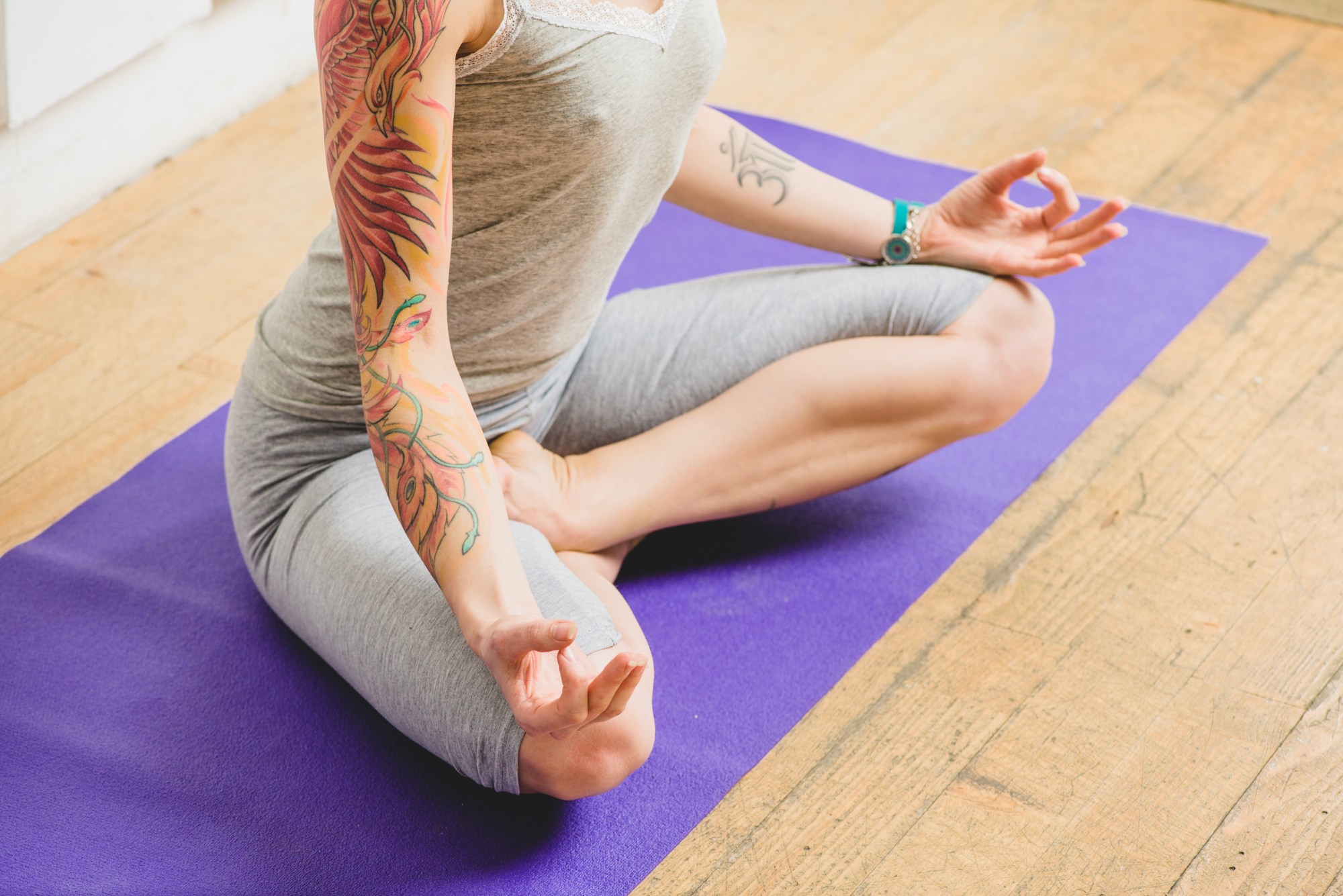
- Pause for Stillness: Close your practice with meditation. Find a comfortable seat or lie down. Focus on your breath or use a mantra to anchor your mind. This is where the integration happens—where movement and stillness meet.
Why It Matters
When we bring these practices together, we’re not just creating a workout—we’re building a relationship with ourselves. We’re learning to trust our bodies, honor our breath, and quiet the noise that tells us we’re not enough. This is how we cultivate resilience, not just on the mat but in every corner of our lives.
Holistic practice isn’t about being perfect; it’s about being present. It’s about showing up—for the hard parts, the messy parts, and the beautiful moments of grace in between. And isn’t that what life is all about?
So, my invitation to you is this: Start where you are. Bring your whole self to the mat—your strengths, your struggles, your stories. Trust that the integration you’re seeking is already within you, waiting to be uncovered. And as you move, breathe, and sit in stillness, know that you are enough, just as you are.
 Vital Vibe